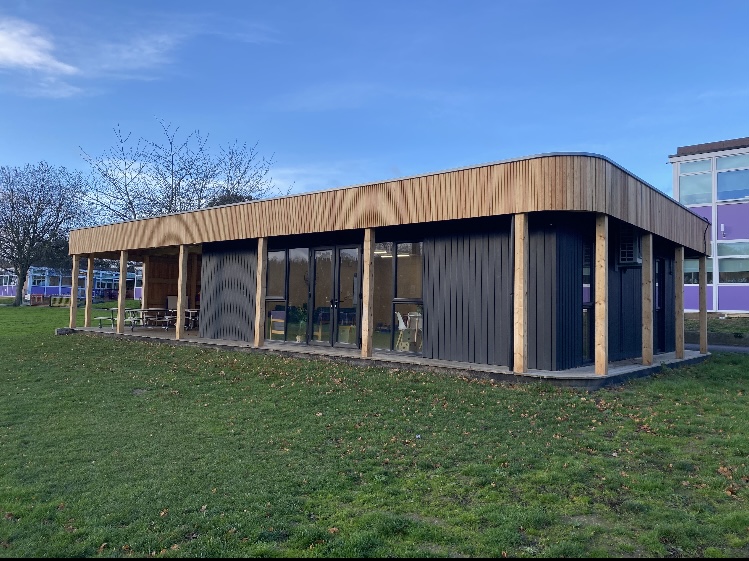
How Much Does a Modular Classroom Cost in 2026?

Why is the Cost Question So Hard to Answer?
Every headteacher or school business manager asks the same question first:
“How much will a new classroom actually cost?”
The honest answer? It depends - but not as much as you might think.
Traditional construction quotes often come with layers of uncertainty, hidden extras, and long lead times. Modular building flips that model: it’s faster, clearer, and easier to budget, as long as you understand the main cost drivers.
Here’s a realistic look at what goes into the price of a modular classroom in 2026, and how to plan your budget with confidence.
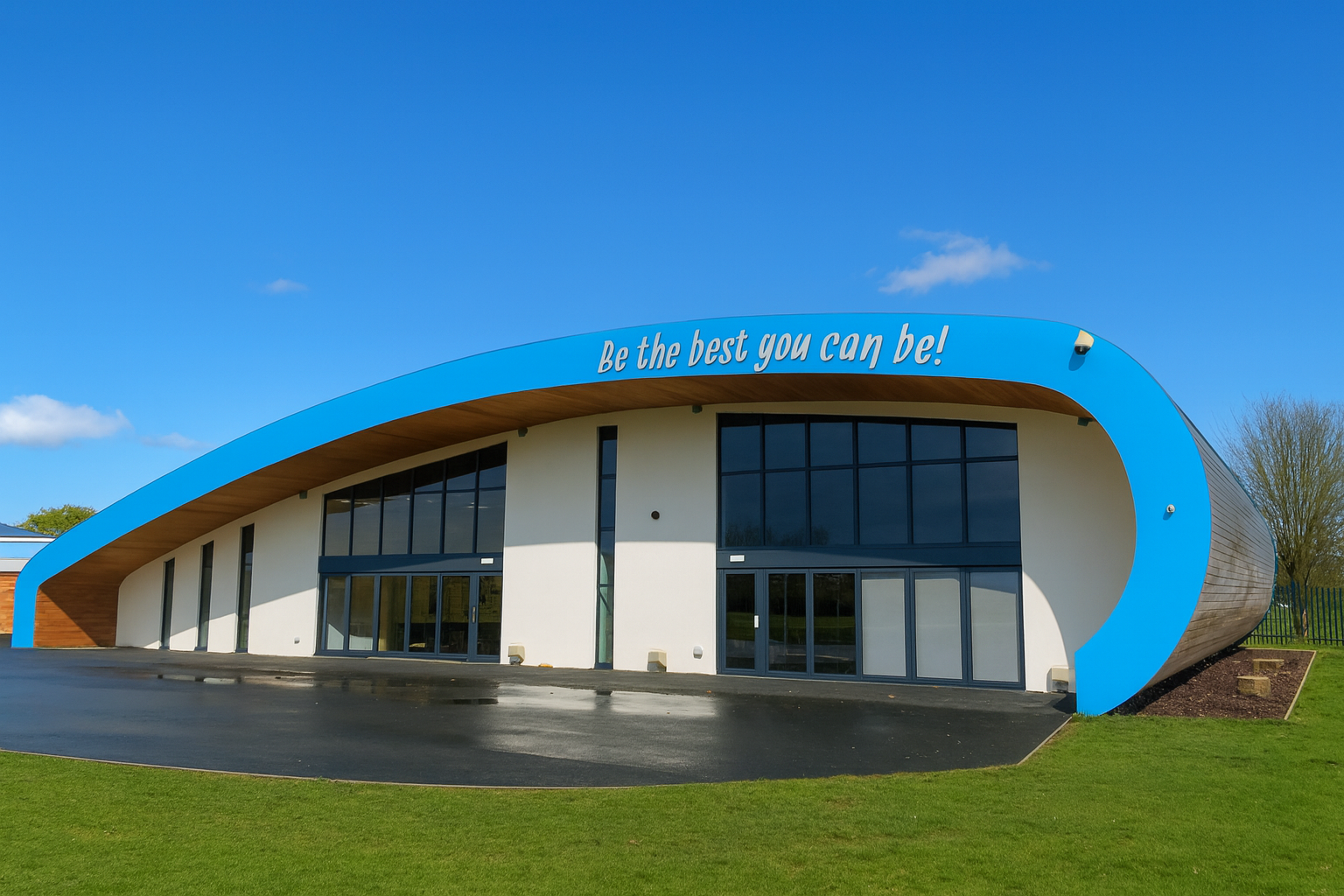
The Main Cost Drivers
The price of a modular build is shaped by several core factors:
- Size & Layout: A single classroom (≈ 50–60 m²) will obviously cost less than a multi-room teaching block. Double-height builds and additional corridors add complexity.
- Design & Specification: Bespoke design features (large windows, green roofs, biophilic elements) increase cost slightly but add long-term value.
- Materials & Finishes: Timber cladding and energy-efficient insulation are popular for schools seeking sustainability credentials.
- Foundations & Ground Conditions: Good access and flat ground keep prices lower; restricted sites or poor drainage can require extra preparation.
- Accessibility & Regulation: Ramps, DDA compliance, or specific safeguarding requirements can affect final costs.
- Project Scale & Timeline: Tighter deadlines may mean more factory time and delivery coordination.
Think of these as the “ingredients” in your build recipe, change one and the whole flavour shifts
Typical Price Ranges (2025 Estimates excluding VAT)
Every project is unique, but here’s a realistic benchmark based on recent Eco Classrooms projects and UK industry averages.
These figures typically include passive design, natural ventilation, timber aesthetics, manufacture, delivery and installation but exclude VAT and professional & planning fees.
Why it’s more predictable: because so much of the build is done off-site, there are fewer variables like weather delays and labour overruns.
If you still don’t quite get what exactly a Modular School Building is, read our guide or take a look at some of our previous work.
Looking Beyond Upfront Cost
Modular builds aren’t just cheaper to install - they’re more affordable to own.
- Energy Efficiency = Lower Bills
High-performance insulation and airtight fabric can cut heating costs by 20–30%. - Minimal Maintenance
Durable materials mean fewer repairs and less disruption over time. - Funding & Sustainability Grants
Projects that incorporate eco-design features may qualify for DfE sustainability support or local authority initiatives. - Adaptability Saves Future Spend
Need extra space later? Modules can be extended without starting from scratch.
When you view it over a 10- to 20-year period, the total cost of ownership is often significantly lower than a traditional build.
Funding Options to Consider
You don’t need a six-figure budget ready to go on day one. Schools can access a range of routes to finance their projects:
- Condition Improvement Fund (CIF) for academies and multi-academy trusts.
- Public Sector Decarbonisation Scheme has grants for energy-efficient projects.
- Local Authority Frameworks speed up procurement and ensure competitive rates.
- Partnership or Phased Builds spread investment across financial years without compromising design quality.
Eco Classrooms can advise on these routes and help build a realistic timeline to fit your funding cycle.
Want a clearer picture for your own site?
Get in touch for a tailored estimate based on your space and requirements.

Sustainable Modular Buildings for Schools, Nurseries & Community Spaces
From nurseries and classrooms to multi-use community buildings, we design and build sustainable modular buildings across the UK, tailored to each site, built to last, and delivered with minimal disruption.


Explore Our Latest Insights
Discover innovative ideas for educational spaces.