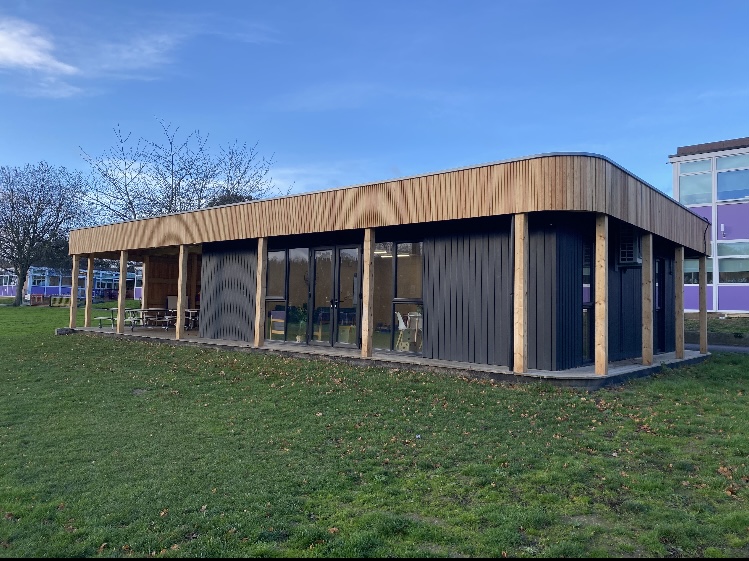
How Long Does a Modular Classroom Take to Build?

A Step-by-Step Timeline for Schools in 2026
One of the biggest concerns schools have when considering a new classroom is disruption.
Construction is often associated with months of noise, restricted access, safeguarding challenges and learning being pushed around the build programme. It’s understandable that many schools assume any new building work will cause significant disruption.
Modular construction changes that.
Rather than a traditional 6–12 month build taking place entirely on your school site, modular classrooms are delivered through a streamlined, largely off-site process. This keeps disruption to a minimum and allows schools to plan with far greater certainty.
In many cases, schools can have a new classroom or nursery space ready within a single term.
Of course it completely depends on how big the classroom, or how many, but this guide will explain each stage of an average modular classroom build, how long it typically takes, and what schools can expect at every step - so you can plan with confidence.
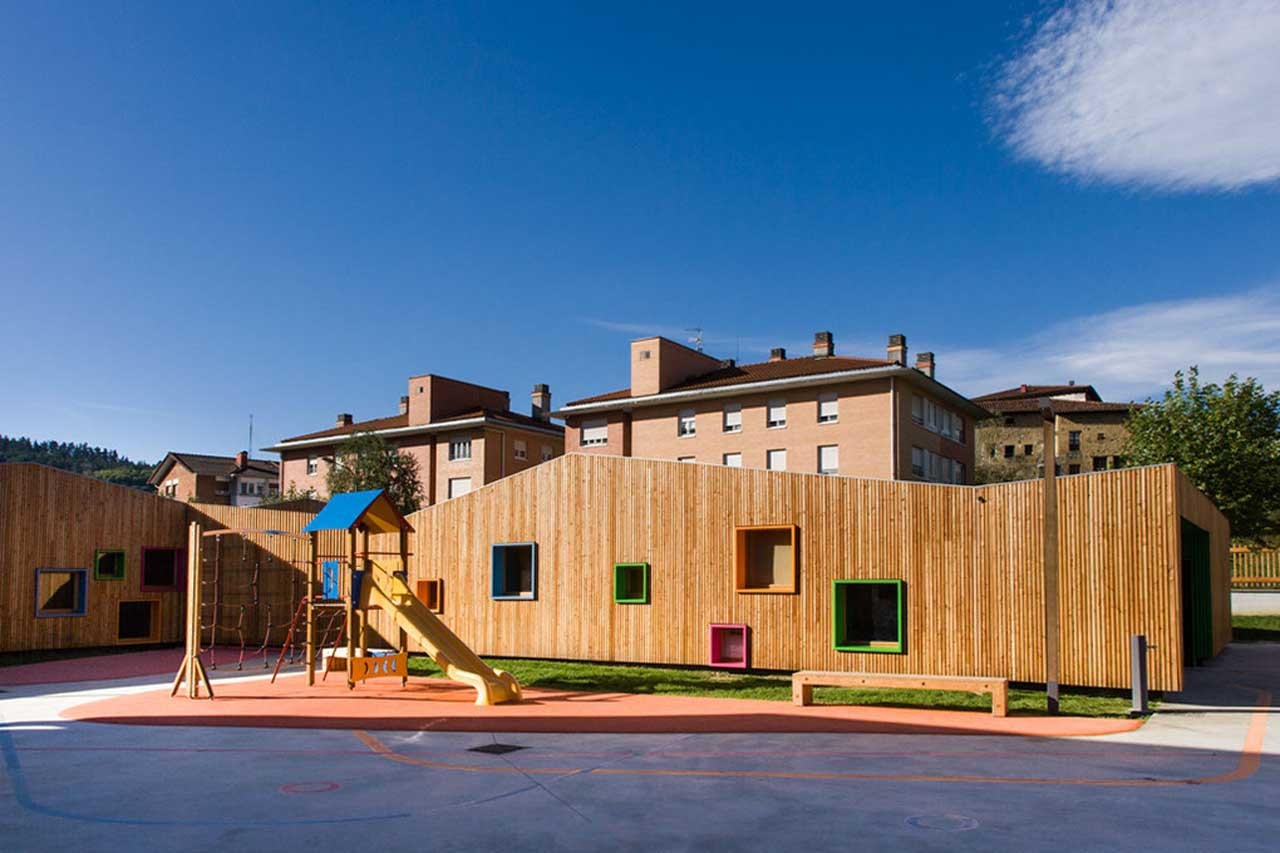
Stage 1: Initial Enquiry (1–2 weeks)
The process starts with a conversation - not a commitment.
This initial stage is designed to be approachable and informative, helping schools explore what’s possible before making any decisions.
At this point, we’ll typically discuss:
- The type of space you need (Classroom, Nursery, SEND provision or breakout space)
- Pupil numbers and long-term capacity planning
- Budget expectations and funding requirements
- Desired timelines (For example, September readiness)
- Any known site constraints
We’ll also share examples of previous projects to help visualise what could work on your site.
There is no obligation at this stage.
It’s simply about understanding your needs and determining whether modular construction is the right solution for your school.
Stage 2: Site Visit & Feasibility (Around 1 week)
Once there is initial alignment, a site visit is arranged.
This is where ideas are assessed in real-world conditions.
During the visit, we:
- Assess available space and access routes
- Review safeguarding considerations
- Take measurements and photographs
- Evaluate ground conditions and drainage
- Identify potential challenges early (Such as restricted access or uneven ground)
The outcome is a clear and realistic understanding of what can be built, where it can go, and how it will function day to day.
Schools often find this stage reassuring, as it removes uncertainty early and avoids unexpected issues later in the process.
Stage 3: Design & Planning (3–12 weeks)
This is usually the longest stage of a modular build, but it is also where modular construction still significantly outperforms traditional timelines.
At this stage:
- Architects develop a bespoke design tailored to your site and educational needs
- Layouts, materials, sustainability features and biophilic elements are explored
- SEND requirements and accessibility are integrated from the outset
- 3D visuals or concept drawings are produced
- Planning permission is prepared and submitted where required
- Liaison takes place with local authorities, dioceses or other stakeholders
The exact timeframe depends on:
- The level of customisation
- The size and complexity of the building
- Local authority planning timescales
Although planning takes time, the advantage of modular construction is that once approval is secured, the build phase progresses quickly and predictably.
Stage 4: Off-Site SIPs Manufacturing (2–3 weeks)
This is where modern modular construction delivers its precision and efficiency.
Rather than building everything on your site, the structural SIPs panels (Structural Insulated Panels) that form the walls, roof and floors of your building are manufactured off-site in a controlled factory environment.
During this stage:
- The structural panels are precision-cut to exact architectural drawings
- Openings for doors, windows and services are pre-formed
- Insulation is bonded into each panel for thermal and acoustic performance
- Components are quality-checked before leaving the factory
Because this work takes place off-site:
- Weather delays are avoided
- Accuracy is far higher than traditional timber framing
- Waste is reduced
- On-site construction time is dramatically shortened
While these core building components are being produced, your school continues to operate as normal.
Stage 5: Groundworks & Site Preparation (2–3 weeks, in parallel)
At the same time as the SIPs panels are being manufactured, work begins on site to prepare the foundations and services.
This typically includes:
- Installing foundations (lighter and less invasive than those required for traditional builds)
- Preparing drainage and utility connections
- Levelling and setting out the site ready for installation
Crucially, this stage runs alongside the off-site SIPs manufacturing, rather than waiting for it to finish.
This parallel working is one of the key reasons modular projects are delivered so efficiently.
Where possible, groundwork is scheduled during school holidays or half-term to further minimise disruption.
Stage 6: On-Site Assembly, Build & Fit-Out (2–4 weeks)
This is where the building really comes to life.
Once the SIPs panels are delivered to site, they are assembled on the prepared foundations, forming the full structural shell of the building in a matter of days.
From there, our on-site team completes:
- Roofing, cladding and external finishes
- Windows and doors installation
- Electrical, heating and ventilation systems
- Internal walls, flooring, ceilings and decoration
- Safety checks, testing and final commissioning
Because the core structure arrives pre-engineered and pre-insulated, this stage is far faster and cleaner than traditional construction.
Schools are often amazed by how quickly the space becomes recognisable — and ready to use.
Stage 7: Handover, Support & Aftercare (Ongoing)
Once the building is complete, support doesn’t stop.
At handover, schools receive:
- A full handover pack
- Clear explanation of warranties
- Snagging issues addressed promptly
Eco Classrooms & Nurseries remain available long after the build is finished - whether for advice, minor adjustments or planning future phases.
For some schools, this stage naturally leads to further expansions as needs evolve.
Modular vs Traditional Builds: A Timeline Comparison
Traditional School Build
- 9–18 months (Often longer)
- Significant on-site disruption
- Weather-related delays
- Greater uncertainty around timelines and cost
Modular School Build
- Typically 12–24 weeks from start to finish
- Minimal disruption to learning
- Predictable scheduling
- Often more cost-efficient overall
This difference in delivery time is one of the main reasons schools are increasingly choosing modular construction when expanding their facilities.
Thinking Ahead to September?
Many schools are surprised by how quickly a modular classroom can be delivered when the process is planned early.
If you are considering a new classroom, nursery or specialist space for the 2026/27 academic year, now is the ideal time to explore your options.
We are always happy to:
- Talk through realistic timelines
- Discuss funding routes
- Share design ideas tailored to your site
No pressure. No sales pitch. Just a clear conversation about what’s possible for your school.

Sustainable Modular Buildings for Schools, Nurseries & Community Spaces
From nurseries and classrooms to multi-use community buildings, we design and build sustainable modular buildings across the UK, tailored to each site, built to last, and delivered with minimal disruption.


Explore Our Latest Insights
Discover innovative ideas for educational spaces.