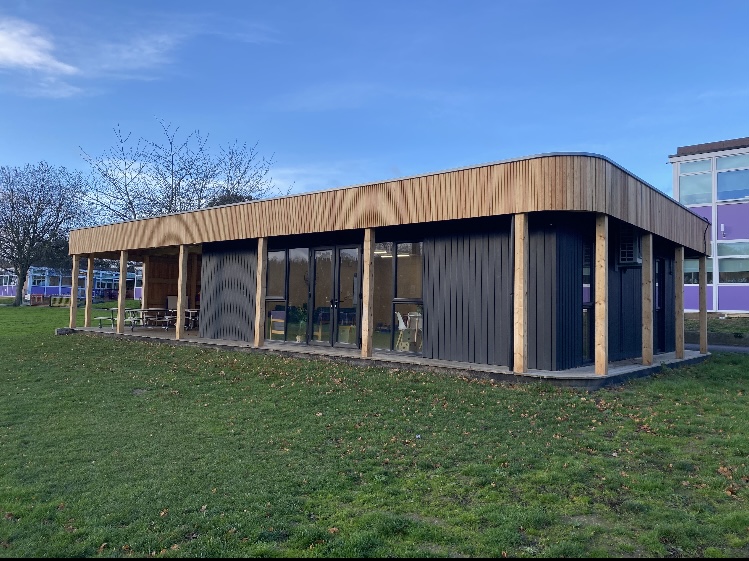
Is a Modular Eco Classroom Right for Your School?
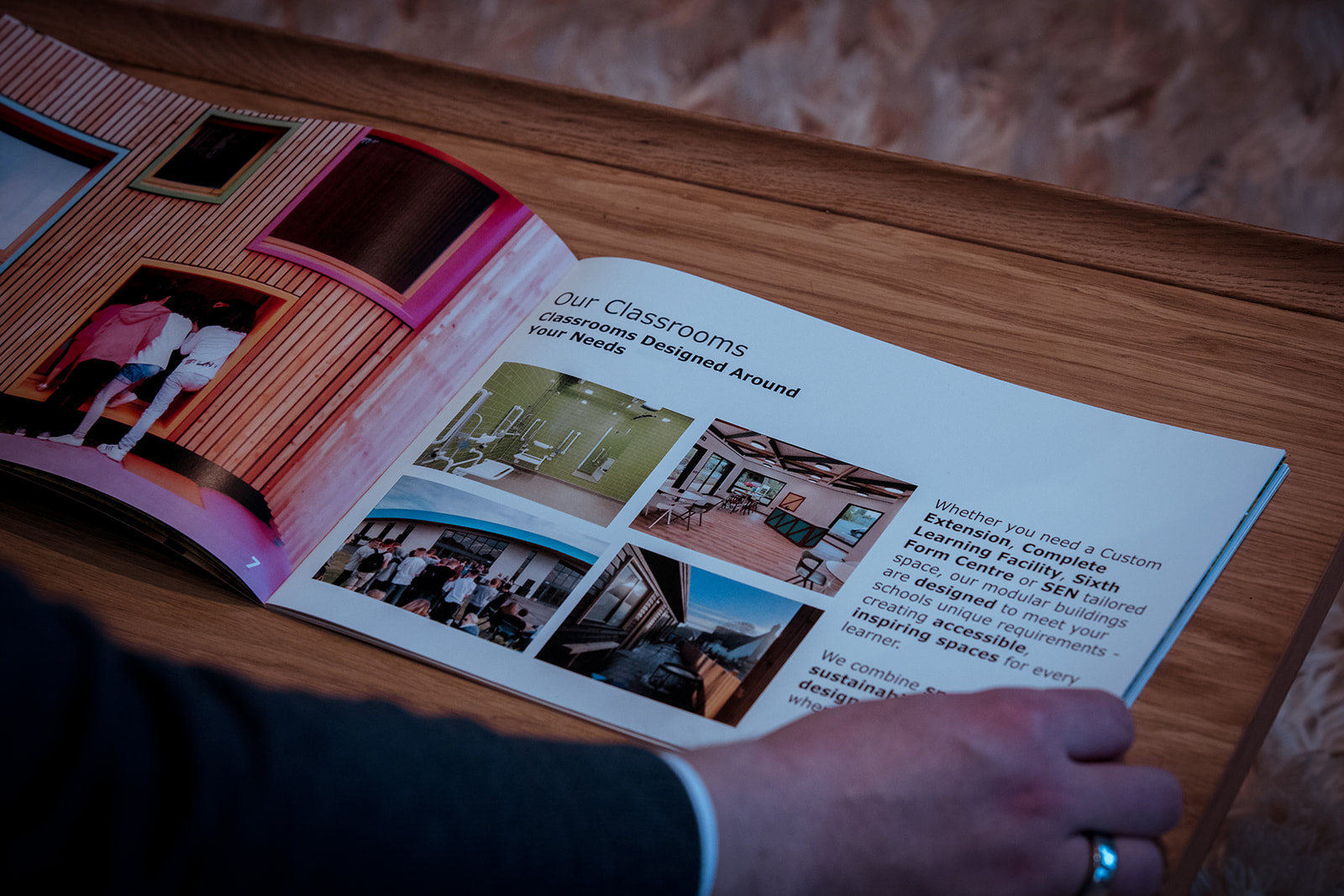
7 Questions to Ask Before You Decide
Modular eco classrooms are often positioned as a faster, greener alternative to traditional school buildings.
But “modular vs traditional” is rarely the right place to start.
For schools, MATs (Multi-Academy Trusts) and nurseries, the real question is whether a modular classroom is the right solution for your site, budget and long-term needs - not just whether it can be delivered quickly.
Below are seven practical questions schools should ask before committing to a modular eco classroom.
1. Why “Modular vs Traditional” Is the Wrong Starting Question
The debate is often framed as speed versus permanence.
In reality, schools face a different set of constraints:
- Disruption to pupils
- Limited funding cycles
- Planning restrictions
- Long-term running costs
For many schools, modular school buildings in the UK work not because they’re modular - but because they allow careful planning around disruption, sustainability and cost control.
The better starting question is:
What problem are we actually trying to solve?
2. How Much Disruption Can Your School Tolerate?
Construction disruption is one of the biggest pressures schools face.
Modular classrooms can significantly reduce:
- On-site build time
- Noise during term time
- Safety risks around pupils
For schools traditional modular builds mean access constraints, crane access etc. But with SIPs (Structural Insulated Panels), access constraints are not an issue. Allowing your building to be ‘carried’ on site when necessary, even in the tightest of spaces.
Interested in how long modular classrooms actually take to build? Let us walk you through it.
3. What Does “Eco” Mean in Running Costs (Not Marketing)?
“Eco” is often used as a headline term.
What matters more to schools is ongoing cost.
Ask for clarity on:
- Energy performance and insulation standards
- Heating systems and long-term maintenance
- Predicted running costs versus traditional builds
Well-designed eco modular classrooms can reduce operational costs - but only when sustainability is engineered into the building, not added as a label.
If you want to know more about how much a modular classroom costs, read our guide.
4. Do You Actually Need Planning Permission?
Planning permission depends on:
- Duration of use
- Location and land designation
- Size and height of the building
Some modular classrooms UK installations fall under permitted development, while others require full planning approval.
A good supplier should:
- Advise early on planning risk
- Handle drawings and submissions
- Be honest when permission is likely to be required
- Have a process in place for handling planning, the right way, without cutting corners.
If a supplier avoids this conversation, that’s a red flag.
5. How Long Do Modular Classrooms Last?
One of the most common misconceptions is that modular equals temporary.
In reality:
- High-quality green modular school buildings are designed for decades of use
- Lifespan depends on materials, detailing and maintenance - not build method
Ask for evidence, not reassurance:
- Case studies older than 10 years
- Warranty detail
- Real-world performance data
6. What Should a Good Supplier Handle for You?
Schools and nurseries shouldn’t be expected to project-manage complex builds.
A reliable partner should handle:
- Design development
- Planning support
- Groundworks coordination
- Compliance and handover
This is particularly important for eco classrooms and nurseries, where regulatory requirements are stricter and margins for error are smaller.
7. When Modular Is Not the Right Choice
Modular classrooms may not be suitable when:
- The building needs to integrate structurally with complex existing fabric
- The site context demands a fully traditional construction approach
- Budget pressures force compromises on quality
Sometimes, delaying a build or reassessing scope leads to a better outcome.
A supplier willing to say no is often the one worth listening to.
Final Thought: It’s Not About Speed - It’s About Fit
Good design doesn’t fix broken systems.
But it can reduce disruption, lower running costs and create better learning environments - when chosen for the right reasons.
If you’re exploring eco-friendly school buildings or modular classrooms, the most important step is asking the right questions before committing.
👉 Read our full guide on school funding and modular classroom planning here.

Sustainable Modular Buildings for Schools, Nurseries & Community Spaces
From nurseries and classrooms to multi-use community buildings, we design and build sustainable modular buildings across the UK, tailored to each site, built to last, and delivered with minimal disruption.


Explore Our Latest Insights
Discover innovative ideas for educational spaces.