The Hidden Cost of 'Temporary' Modular Buildings
When a school needs extra space quickly, the default solution has often been the same: call a supplier, lease a temporary modular unit, get it on site fast. Problem solved.
Except it isn't. Not really.
The temporary modular building - the portacabin, the demountable classroom, the "interim solution" that somehow becomes permanent - is one of the most expensive decisions a school can make. Not because the upfront cost is high. Because the long-term cost is.
This post breaks down exactly what temporary modular buildings actually cost over time, why they fall short environmentally, and what a genuinely permanent, high-quality alternative looks like.
What we mean by 'temporary' modular buildings
Temporary modular buildings - sometimes called portacabins, demountable classrooms, or prefabricated units - are typically steel-framed structures designed for short-term use. They are usually leased rather than owned, delivered to site quickly, and positioned as a stopgap while a longer-term solution is planned.
In practice, that stopgap rarely stays temporary. Research by the National Audit Office found that many schools have been using temporary classroom buildings for ten years or more - paying lease costs every single year, for a building that will never belong to them, and that is deteriorating in quality with every passing winter.
The real cost of a temporary modular building
Let's look at the numbers honestly.
A typical temporary modular classroom lease costs between £8,000 and £15,000 per year depending on size, supplier, and location. Over ten years, that's £80,000 to £150,000 - for a building you don't own, can't modify, and will eventually have to return.
Compare that to a permanent modular classroom from Eco Classrooms & Nurseries:
A 60m² permanent modular classroom from Eco Classrooms & Nurseries costs approximately £117,000-£120,000 to own outright. A leased temporary unit on the same footprint costs £80,000-£150,000 over ten years - and at the end of that period the school has nothing to show for it.
The maths isn't complicated. The permanent solution pays for itself.
The environmental cost nobody talks about
The financial case for permanent over temporary is clear. The environmental case is even more stark - and it's one that matters increasingly to schools, governors, and funding bodies alike.
Temporary modular buildings are typically steel-framed, poorly insulated, and designed for disassembly rather than longevity. That means:
- Higher energy consumption - poor thermal performance means higher heating bills and a larger carbon footprint every year the building is in use
- More frequent replacement - a building designed to last 10–15 years will be manufactured, transported, installed, removed, and disposed of multiple times over a 60-year period
- Greater embodied carbon - the carbon cost of manufacturing, transporting, and installing a building is significant; doing it repeatedly multiplies that impact
- Landfill waste - steel-framed temporary units are difficult to recycle at end of life; much of the material ends up in landfill
A permanent SIPs timber building tells a completely different story. Structural Insulated Panels have one of the lowest embodied carbon profiles of any construction method. Timber is a carbon-sequestering material. High-performance insulation dramatically reduces operational energy use. And a building designed to last 60+ years means that embodied carbon is spread across six decades of use - not ten.
For schools with sustainability goals, net zero commitments, or eco credentials to protect, the choice between temporary and permanent isn't just financial. It's reputational.
Why 'temporary' so often becomes permanent - and why that's a problem
The uncomfortable truth about temporary modular buildings is that they rarely leave.
A school installs a temporary classroom as a stopgap. The stopgap becomes the status quo. Years pass. The building deteriorates. Heating bills rise. Pupils and staff work in a space that was never designed for long-term use - poor acoustics, inadequate ventilation, uncomfortable temperatures in winter and summer.
And all the while, the lease payments continue.
This isn't a failure of planning on the school's part. It's a predictable outcome of a product that is designed to be renewed, not replaced. Temporary building suppliers benefit from schools staying on lease agreements. The incentive structure does not favour the school.
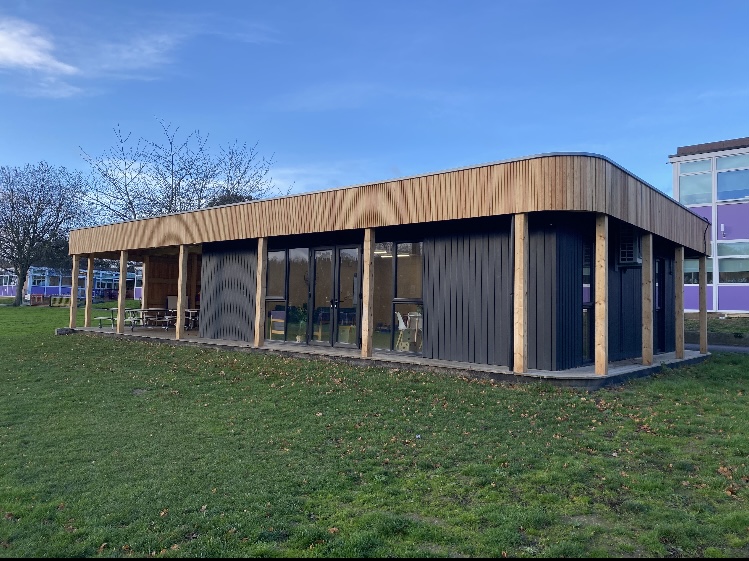
A permanent modular building from Eco Classrooms & Nurseries removes that dynamic entirely. You own the building. You control it. You can extend it, adapt it, or repurpose it as your school's needs change. And because it's built to last, it will still be serving your pupils in 2085.
What permanent modular actually looks like
There's a common assumption that "permanent modular" means compromising on quality - that you're getting something better than a portacabin but still a step below a traditional build.
That assumption is wrong.
Every building Eco Classrooms & Nurseries creates is:
- Architecturally designed - bespoke to your site, your school, and your pupils. Not a standard unit dropped from a catalogue.
- Built using SIPs - Structural Insulated Panels deliver superior thermal performance, airtightness, and structural integrity compared to both steel-frame temporary units and many traditional builds.
- Constructed from responsibly sourced timber - low embodied carbon, warm aesthetics, and a material that actively sequesters carbon during its lifetime.
- Finished to full UK building regulations - fire safety, accessibility, ventilation, structural compliance. Everything a traditional build delivers, in a fraction of the time.
- Delivered in 4-6 weeks on site - not because quality has been sacrificed, but because offsite manufacture means the building is ready before it arrives.
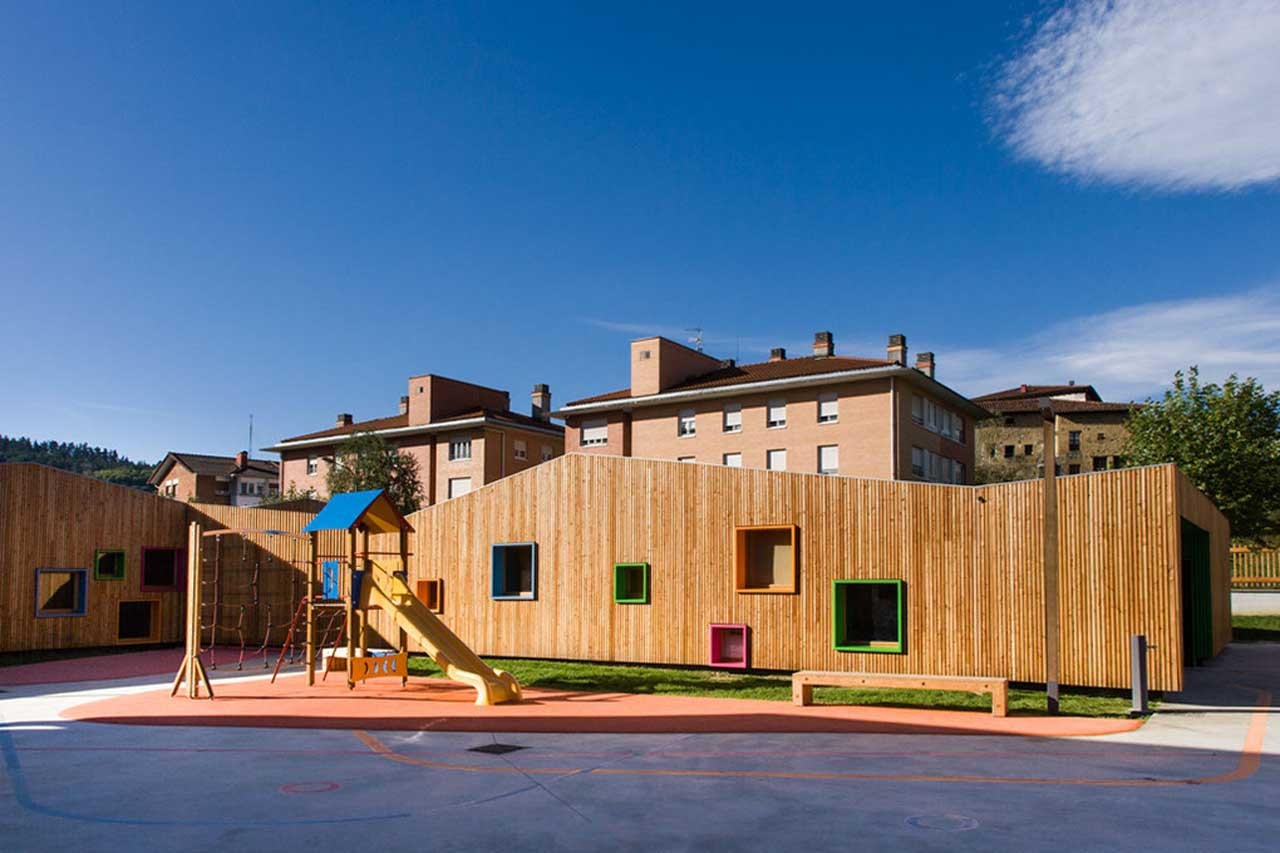
The result is a classroom or nursery that looks, feels, and performs like a permanent building - because it is one.
Questions to ask before signing a temporary modular lease
If you're currently considering a temporary modular building for your school, ask these questions before signing anything:
- What is the total cost of this lease over five, ten, and fifteen years?
- What happens to the building at the end of the lease?
- Can I modify or extend this building if my needs change?
- What is the energy performance rating, and what will my heating bills be?
- What is the planning consent - temporary or permanent?
- Could the same budget fund a permanent building I would own outright?
The answers to these questions will tell you everything you need to know.
If you're thinking about a permanent modular build, ask yourself these 7 questions before you get started.
The bottom line
Temporary modular buildings solve one problem - speed - while creating several others. High long-term costs, poor energy performance, environmental waste, and a building that was never designed to inspire the children learning in it.
Permanent modular construction solves the same problem - and keeps on solving problems for the next sixty years.
If your school is considering additional space, we'd encourage you to ask not just "how quickly can we get this on site?" but "what do we want this building to be doing for our pupils in ten, twenty, thirty years?"
That question leads to a very different answer.
Talk to us about a permanent modular solution for your school →

Sustainable Modular Buildings for Schools, Nurseries & Community Spaces
From nurseries and classrooms to multi-use community buildings, we design and build sustainable modular buildings across the UK, tailored to each site, built to last, and delivered with minimal disruption.


Explore Our Latest Insights
Discover innovative ideas for educational spaces.