Workplace Nurseries: Why Employers Are Bringing Childcare On-Site
Ask most parents what would make the biggest difference to their working life, and childcare comes up fast. Ask most employers what's hardest to offer as a benefit, and the answer is usually the same thing, for a different reason: it sounds expensive, slow, and complicated to set up.
That assumption is largely built on the traditional construction route. It doesn't hold up nearly as well against modular.
Why on-site childcare is back on the table for employers
Workplace nurseries aren't a new idea. What's changed is how quickly and reliably they can now be delivered. Employers with the space to spare - business parks, hospital trusts, large manufacturing sites, council campuses - are increasingly looking at on-site childcare as one of the more meaningful benefits they can offer returning parents, without needing years of planning to get there.
The appeal is straightforward. Reduced commute stress for parents. Shorter, more predictable drop-off and pick-up routines. A genuine point of difference in a tight labour market where flexible, family-friendly employers have an edge in recruitment and retention.
The barrier has always been delivery. A traditional build, from planning through to a finished nursery, can take the best part of two years. For most businesses, that's long enough for the idea to quietly die in a strategy document before it ever gets built.
How modular changes the timeline
This is where a relocatable nursery building looks completely different from a conventional construction project.
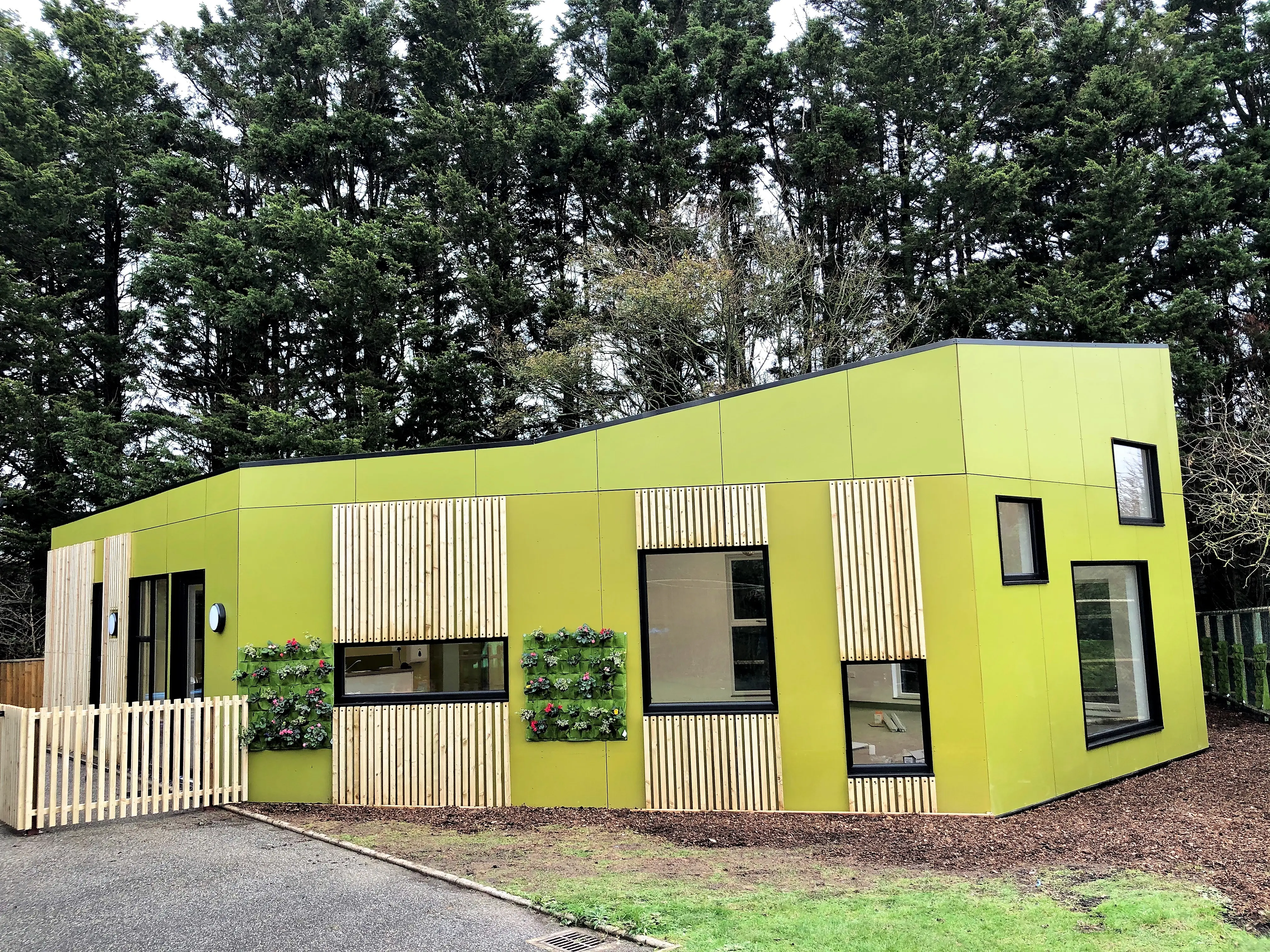
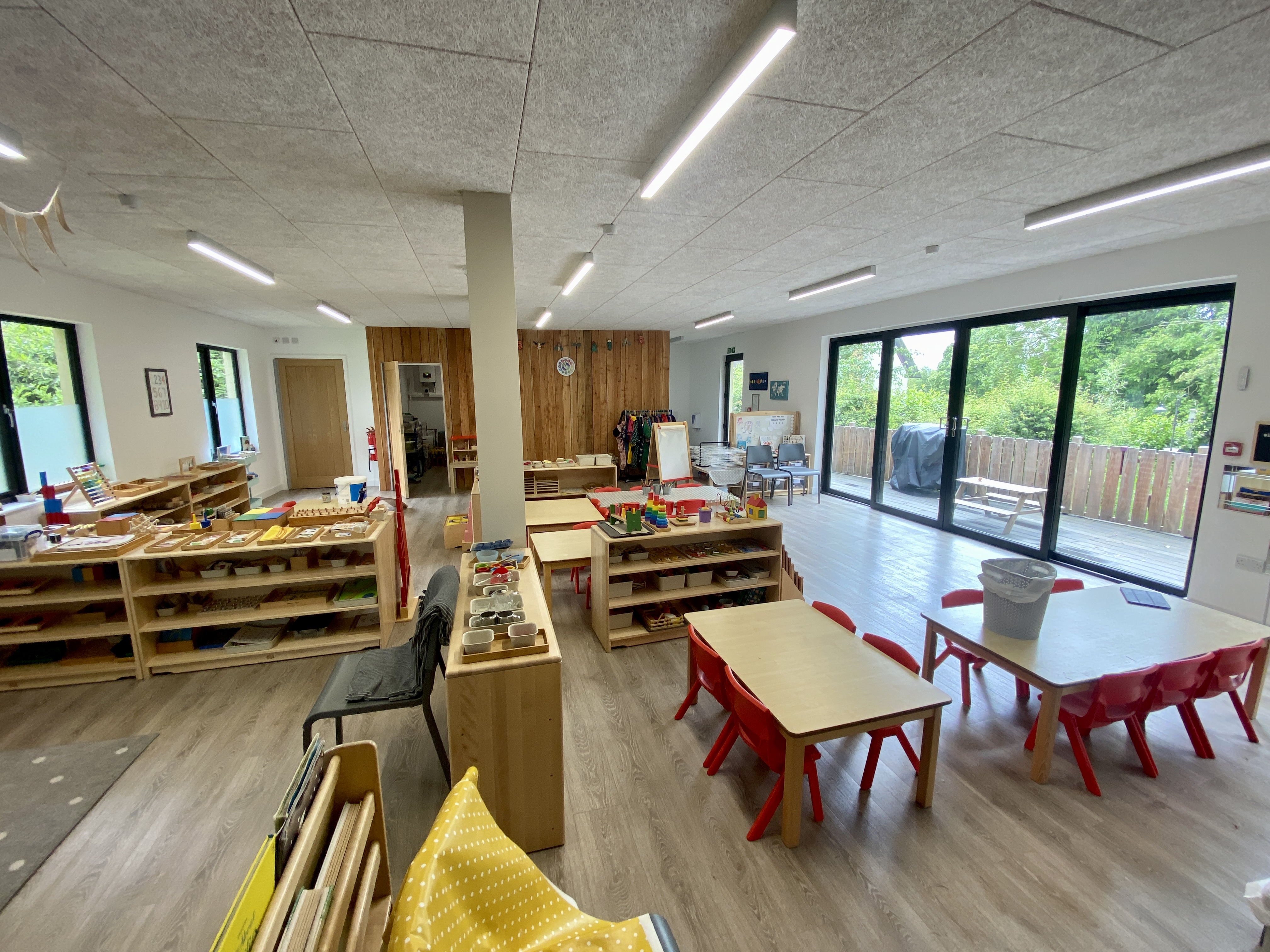
We design and build these units off-site, in factory conditions, to a scale that fits the employer's actual need - anywhere from a small unit serving around 10 children up to a larger facility accommodating up to 150. Each one arrives at site around 90% complete. Baby rooms, toilet facilities, and cooking or food prep areas are already built in before it ever leaves the factory.
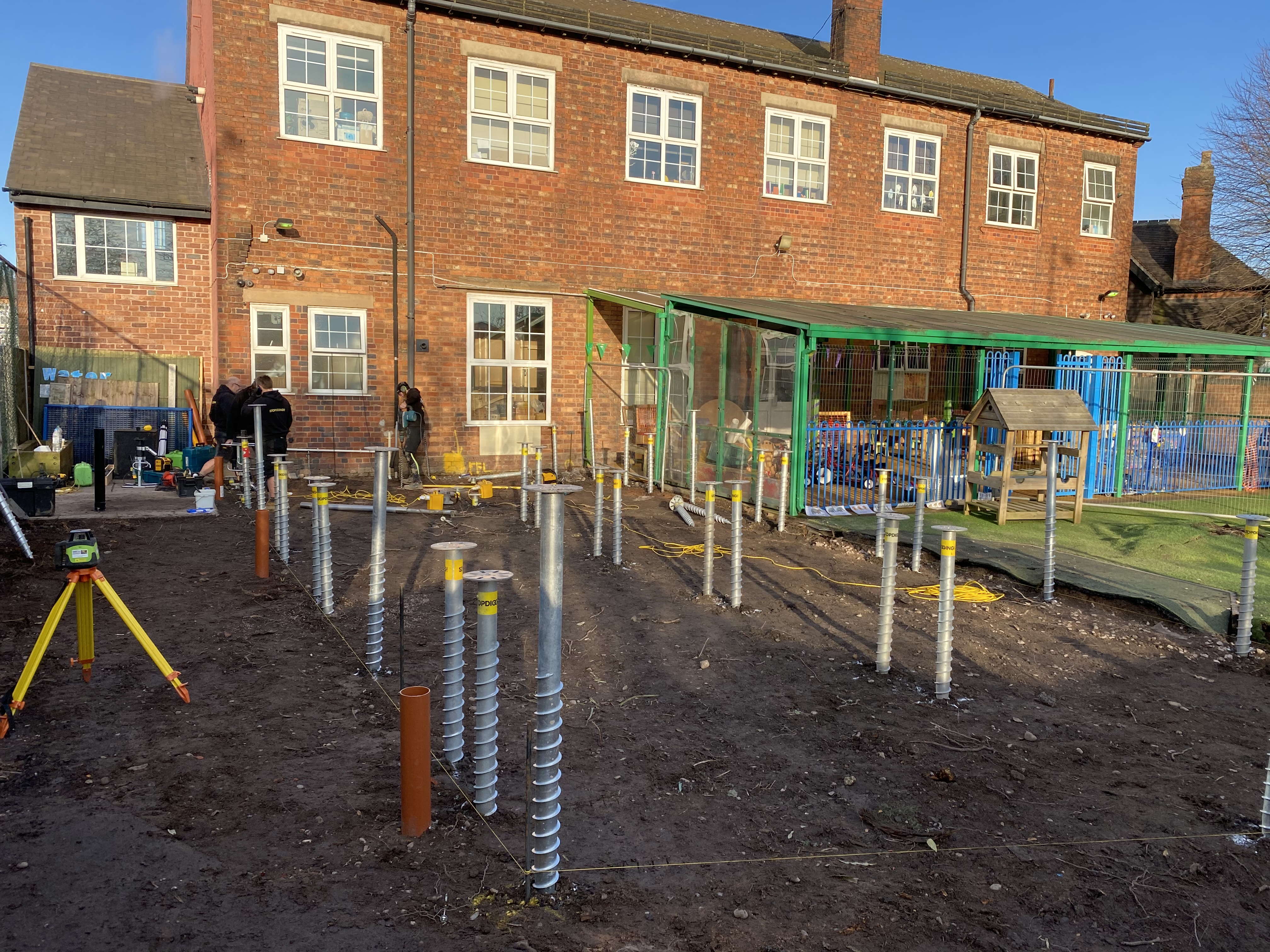
Once it's on-site, installation is closer to positioning and connecting than building from scratch. The unit goes onto prepared hard standing, gets connected to services, and is ready for fit-out and use in a fraction of the time a traditional build would take.
That's the practical difference: instead of a benefit that takes two years to arrive, it's realistic to be planning for a working nursery within a single year, sometimes considerably less depending on site readiness and groundworks.
What employers need to think through before starting
A few things worth having answers to before a project like this gets underway:
Site suitability. You'll need hard standing or a groundworks-ready plot, along with access to the usual services - water, power, drainage. A site visit and survey will identify what's already there and what needs to be brought in.
Sizing and staffing. The size of the unit should be driven by realistic demand, not aspiration. A facility built for 150 children that only ever serves 40 is an expensive way to solve the wrong problem. This is usually best worked out with input from a nursery operator, if you're not planning to run it yourselves.
Who actually runs it. Some employers partner with an existing nursery operator to manage day-to-day running; others set up and staff the nursery themselves. Either way, standard Ofsted registration requirements apply just as they would for any other early years setting - the premises need to meet Early Years Foundation Stage requirements, staff-to-child ratios need to be met, and the usual safeguarding and DBS checks apply to anyone working with the children. A modular building doesn't change any of that; it just changes how quickly you can get to a compliant, purpose-built space.
Budget and timeline expectations. Modular construction is typically 20 to 30% cheaper than an equivalent traditional build, and once the build itself starts, the difference in speed compared with traditional construction is significant - weeks rather than months once groundworks are ready. Planning and site preparation still take time to get right, but the building itself is no longer the bottleneck it once was.
See the full guide on how much a modular nursery costs and how long it takes to build.
Is a workplace nursery actually worth it?
That depends on your organisation's size, site, and workforce, and it's a different question from the one most schools ask us. Schools tend to be solving an urgent capacity problem. Employers considering a workplace nursery are usually making a longer-term investment in recruitment, retention, and how their site works for the people on it.
What we can say with confidence is that the two-year timeline most people assume is no longer the realistic baseline. If the idea has been sitting in a benefits strategy document because it seemed too slow and too expensive to be worth pursuing, it's worth revisiting what's actually possible now.
Considering an on-site nursery for your workplace? Get in touch for a straightforward conversation about sizing, timelines and what a project like this would actually involve for your site.

Sustainable Modular Buildings for Schools, Nurseries & Community Spaces
From nurseries and classrooms to multi-use community buildings, we design and build sustainable modular buildings across the UK, tailored to each site, built to last, and delivered with minimal disruption.


Explore Our Latest Insights
Discover innovative ideas for educational spaces.