What Our Due Diligence Caught Before It Became the School's Problem
Most of what makes a modular building project go well happens before anyone sees a single panel arrive on site. It's rarely the part clients think to ask about, and it's almost never the part that gets photographed. But on one project, it was the single most important thing we did.
A new building, and an old problem nobody had dealt with
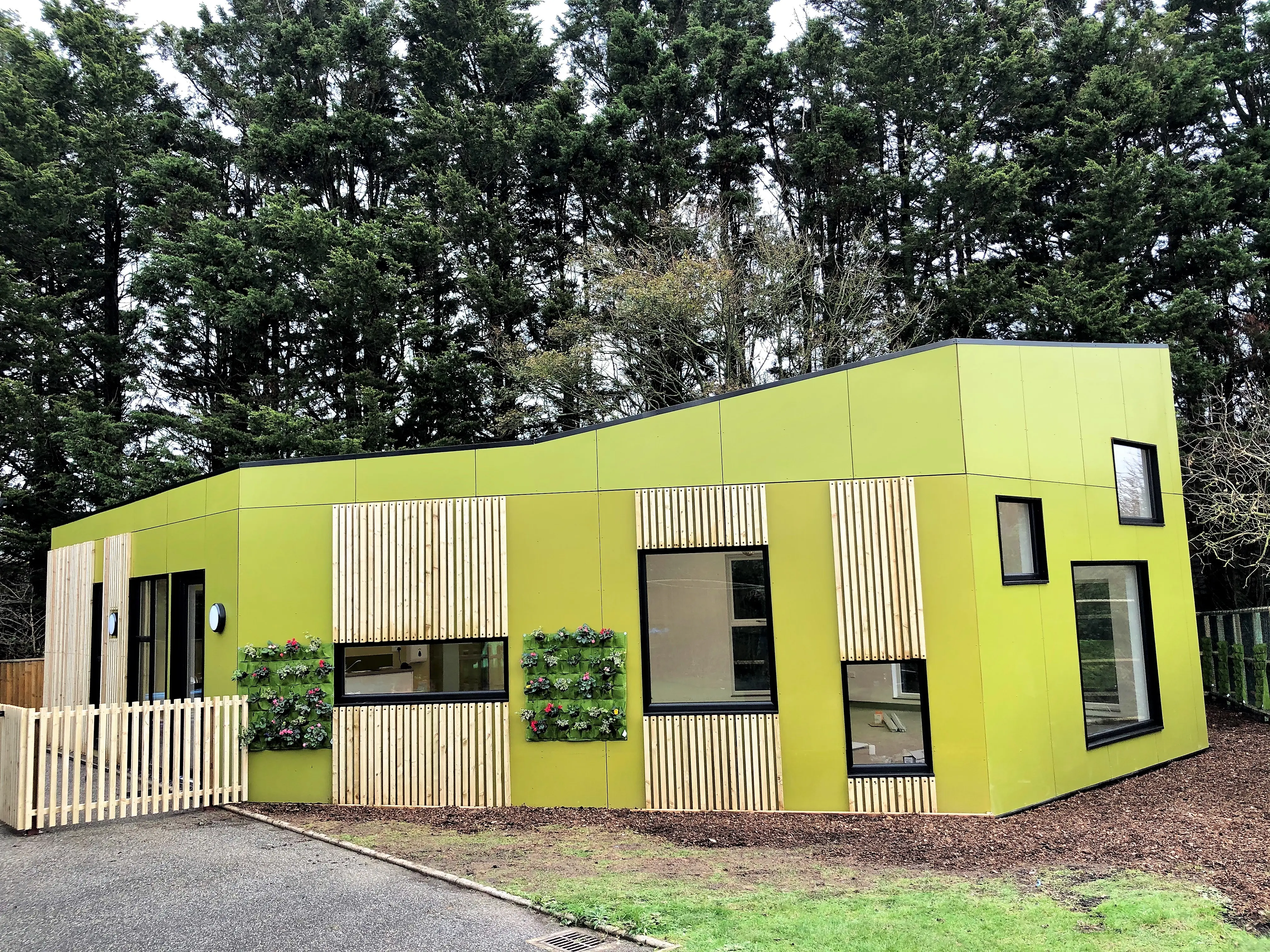
We were engaged by a school to design and build a new outreach centre, positioned in front of an existing building the school had commissioned from a different contractor several years earlier.
As part of our standard process, before any design work or planning application goes in, we carry out full due diligence surveys on the site. This isn't an optional extra. It's how we make sure the cost and timeline we give a school actually holds once building starts, rather than surfacing as an unwelcome surprise halfway through.
On this occasion, that survey work turned up something nobody at the school knew was there: a drainage connection from the earlier building that had been installed as a temporary measure, then simply left in place. The previous contractor had moved on. Nobody had gone back to make it right.
Why this became our problem to solve, not theirs to discover later
It would have been entirely possible to miss this. It wasn't visible, it wasn't something the school had any reason to suspect, and dealing with it wasn't part of our original brief. But building a new connection for our own project without addressing the existing one properly would have meant leaving a known problem in the ground for someone else to find later, most likely at a worse moment and a higher cost.
So we flagged it, and we took on the work of putting it right alongside our own build. That meant new drainage connections done properly, and the existing, incorrectly-installed connection corrected rather than left as it was - meeting the same building regulations and fire safety standards as the rest of the build, not treated as a separate, lesser piece of work.
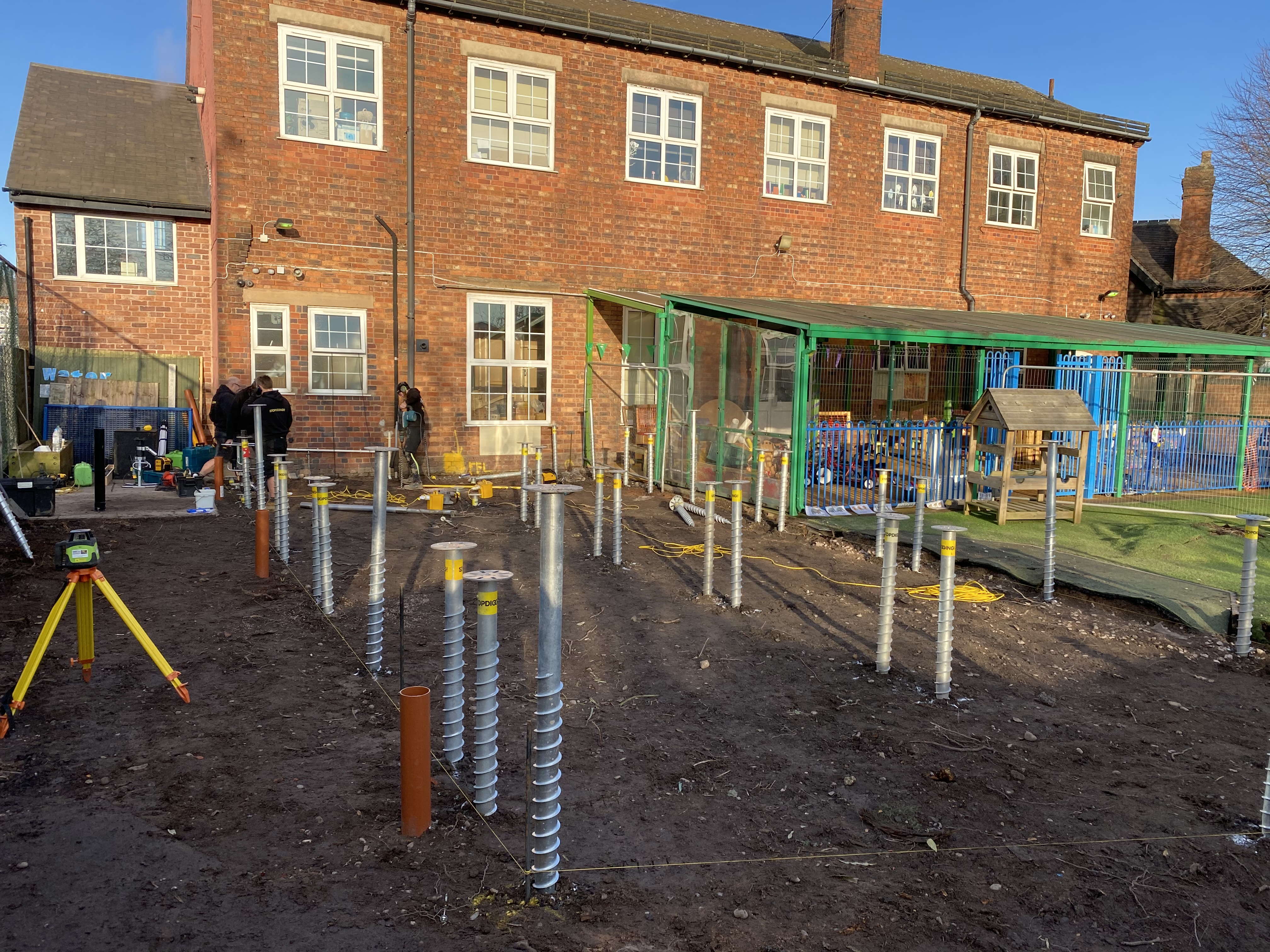
None of this was fast. Getting the necessary approvals in place took time, and by the time everything was agreed, the site itself had changed considerably in the years since the original due diligence survey - overgrown, harder to access, needing significant clearance before groundworks could even begin properly. It's a useful reminder of how much a project timeline can shift once you're dealing with what a site actually is, rather than what it looked like on paper - something we've written about more generally in how long a modular classroom really takes to build.
The part that doesn't show up in a proposal document
This is the part of the job that never makes it into a sales conversation, because it's genuinely unglamorous. Nobody gets excited about drainage surveys. But it's exactly the kind of work that determines whether a school ends up with a building that works quietly in the background for decades, or one that resurfaces as an expensive, disruptive problem a few years down the line.
For us, due diligence isn't a box-ticking exercise ahead of a planning application. It's the point in the process where we find out what we're actually dealing with, before a school commits to a number or a timeline based on incomplete information. It's the same instinct behind what we tell schools about building under time pressure: the projects that go smoothly are the ones where nothing was left to be discovered later.
What this means if you're evaluating builders for your own project
If you're a governor, business manager, or head weighing up who to work with on a new building, it's worth asking a direct question early on: what does your due diligence process actually involve, and what happens if it turns something up?
A contractor who can't answer that clearly is one who either doesn't do this work properly, or hasn't had to yet. Either way, it's better to find that out before a contract is signed, not after.
Considering a new building on a site with existing infrastructure? Ask us what our due diligence process actually covers before you commit to a builder.

Sustainable Modular Buildings for Schools, Nurseries & Community Spaces
From nurseries and classrooms to multi-use community buildings, we design and build sustainable modular buildings across the UK, tailored to each site, built to last, and delivered with minimal disruption.


Explore Our Latest Insights
Discover innovative ideas for educational spaces.